Rolling Into Nature Without Steps

Join us for Accessible Rail Rambles: Step‑Free Stations and Low‑Gradient Paths for Weekend Walks, where rail journeys glide into gentle routes without stairs or sharp climbs. We’ll show you how to spot step‑free interchanges, judge gradients, and plan welcoming distances, while sharing personal stories, safety checklists, and joyful ideas for groups. Whether you use a wheelchair, push a stroller, manage pain, or simply prefer relaxed pacing, these excursions promise fresh air, connection, and confidence from platform to park.

Plan With Confidence From Platform to Path

Good planning turns anxiety into freedom. Learn to combine official station accessibility pages, live lift status, and crowd forecasts with gradient-aware maps that highlight slopes under five percent. We’ll consider surfaces, shade, benches, toilets, and turnaround points, creating circular or out‑and‑back options that respect energy and time. Share your favorite planning checklist in the comments so others can adapt it, refine it, and head out feeling calm, prepared, and wonderfully curious.

Reading Rail Accessibility Pages Like a Pro

Spot indicators such as step‑free access from street to platform, staff availability, portable ramps, and boarding assistance booking windows. Double‑check lift locations, alternative entrances, and weekend engineering works. Save helpline numbers, screenshot crucial maps, and set alerts so surprises shrink and choices expand.

Interpreting Gradients, Surfaces, and Crossfall

Gentle usually means under five percent with minimal cross‑slope, but your comfort matters most. Seek asphalt, firm boardwalks, or compacted fines rather than deep gravel or churned mud. Avoid cambered paths that tug wheels sideways. Notice repetitive short rises; they drain energy faster than one gradual climb.

Timing, Weather, and Crowd Flow

Aim for off‑peak trains, calm platforms, and cooler hours. Light rain can slick metal plates and leaves; heat magnifies effort on long pushes. Check sporting events that alter footfall and staffing. Build generous buffers for rest, lift queues, and spontaneous moments that make memories.

A Saturday Story Along the River

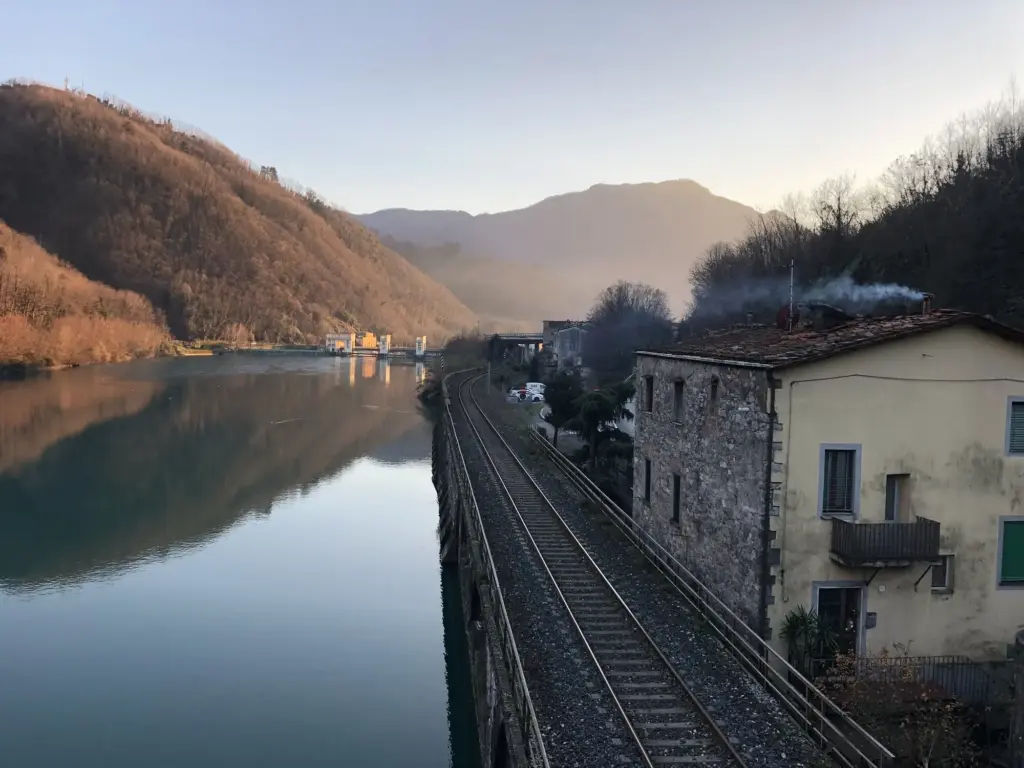
Last month we met Nora and Dev at a step‑free station by the river. A portable ramp bridged the small gap, tactile paving guided our turn, and a level towpath welcomed wheels and small feet. Over four peaceful kilometers, her chair rolled easily past willows and narrowboats, while his stroller naps synced with birdsong. We paused for coffee, accessible restrooms, and a mural selfie. Back by dusk, everyone felt capable, heard, and ready to invite friends next time.

Arriving Smoothly and Setting the Tone

Staff met us with smiles and a ramp, then pointed out the lift and quieter exit. We crossed a single road using dropped kerbs and clear signals. Starting calm mattered; it framed the day as achievable, friendly, and ours to shape without rushing or proving anything.
A Path That Rolls Rather Than Climbs

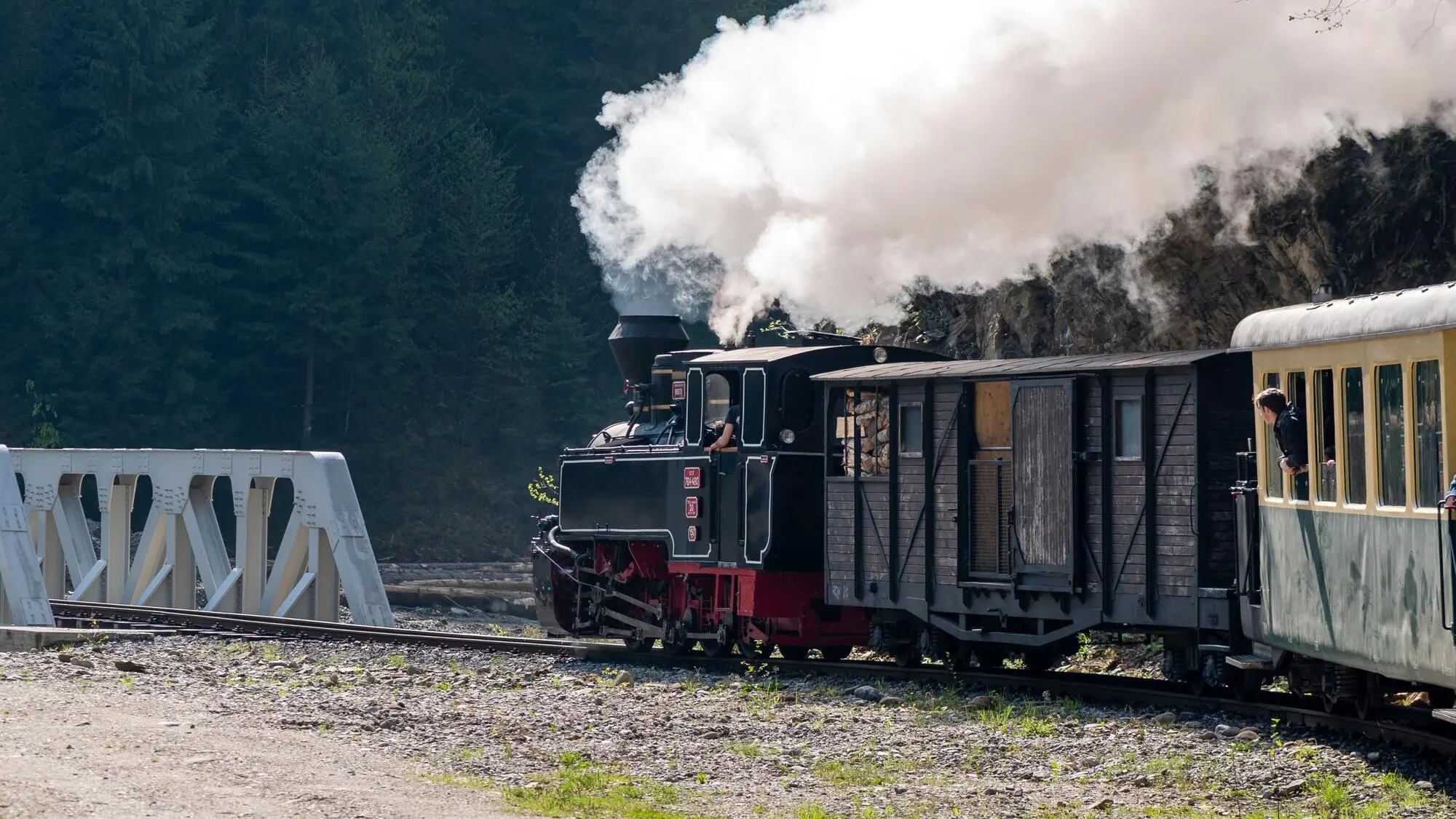
The riverside towpath averaged two percent with short flat pauses, its surface firm enough for small casters and pram wheels. Occasional narrowings had passing places. We counted benches like milestones, celebrated shade, and let curiosity lead, because exploration feels better when effort never drowns wonder.
Little Challenges, Real Wins, Shared Joy

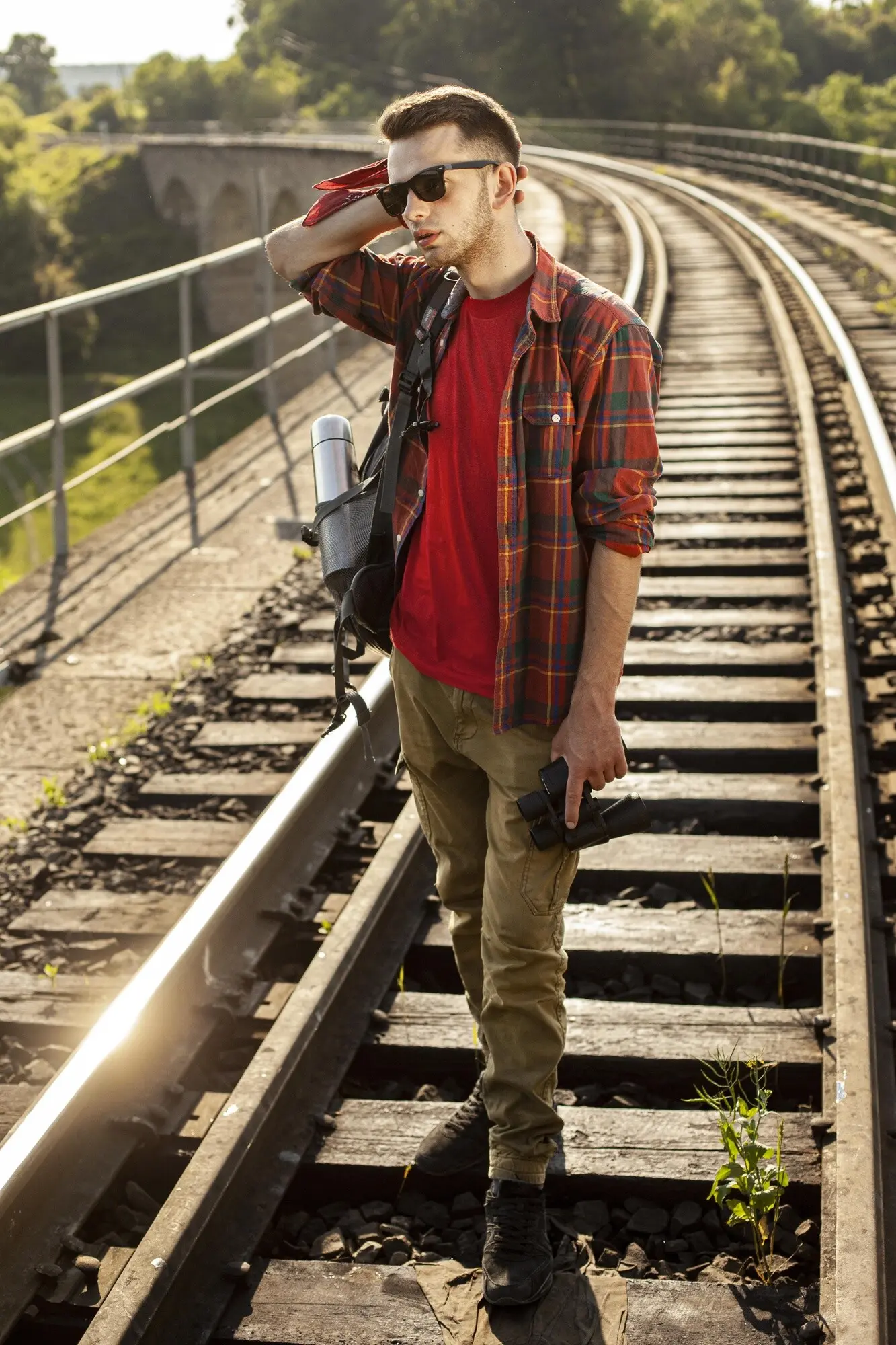
A short detour around maintenance introduced one steeper ramp. We team‑spotted, chose the gentler zigzag, and practiced braking. That tiny lesson turned into confidence later at an underpass. Snacks, laughter, photos, and a warm thank‑you to staff sealed the loop with pride rather than fatigue.
Comfort, Safety, and Small Preparations That Matter

Minor details create major ease. Pack puncture repair patches, gloves for pushing, lightweight rain covers, and a small towel for wet benches. Choose layers, sun protection, and snacks with steady energy release. Mark water points and accessible toilets. Share your own go‑to kit list below; your hard‑won tips may spare someone a difficult mile and expand what feels possible next weekend.

Choosing Aids, Strollers, and Supports Wisely

Test wheel locks, tire pressure, and caster alignment before leaving. For strollers, wrist straps and rain covers help on breezy promenades. Hiking poles stabilize slow gradients for recovering knees. Compact cushions soften rougher surfaces. Borrow, rent, or community‑share gear first, then invest once needs feel certain.

Pacing, Hydration, and Warmth

Use time rather than distance: ten minutes rolling, two minutes pausing, then repeat. Sip early and often. If fingers chill on aluminum push rims, add liner gloves. Micro‑stretches at benches reset posture. Celebrate turning back on schedule; finishing happier beats squeezing in one extra kilometer.

Tools and Maps That Reveal Gentle Lines

Digital tools can transform guesswork into clarity. Combine national journey planners with accessibility filters, station access PDFs, and crowding indicators. Overlay elevation data and surface tags from OpenStreetMap on your preferred planner, then export GPX for turn‑by‑turn cues. Save starred locations for toilets, shelters, and cafés with wide aisles. Afterward, upload notes, photos, and barrier warnings so the next person’s day becomes easier, safer, and joyfully predictable.

Elevation and Slope at a Glance

Look for color‑coded slope layers or gradient charts; aim for steady bands under five percent and limit bursts under eight. Beware crossfall near riverbanks. Watch cumulative gain; fifty meters over five kilometers feels different from one short hill. Smooth lines usually signal smooth experiences.

Surface, Width, and Kerb Intelligence

Map tags can hint at asphalt, concrete, compacted gravel, or boardwalks, plus typical widths. Seek kerb‑dropped crossings and refuges on busy roads. Photos confirm camber and potholes. Where data is missing, scout with street imagery or community reports, then contribute updates to close gaps.

Kindness, Etiquette, and Empowerment on the Way

Inclusion is built moment by moment. Ask before helping, match the chosen pace, and resist pushing handles uninvited. Keep group sizes manageable on narrow paths. In stations, leave space around tactile paving. Thank staff for good practice, report hazards clearly, and praise improvements publicly so accessibility grows through encouragement as well as accountability.

01

Station Interactions That Build Trust

Greet staff, state what you need, and confirm the assistance point for your return. If a ramp is offered, check alignment and preferred angle. Document positive experiences in feedback forms; examples help colleagues replicate them, turning isolated kindness into reliable, everyday service.

02

Reporting Barriers With Useful Detail

When something blocks access, note precise location, time, and impact, plus photos if safe. Describe alternatives and their effort cost. Share with the operator and local authority, then post a short community update. Clear reports transform complaints into fixes that others can celebrate soon.

03

Welcoming More People Outdoors

Extend invitations that honor autonomy: share honest route profiles, rest options, and bailout points. Pair first‑timers with buddies who listen more than advise. Celebrate choices, from rolling an extra hundred meters to stopping early for tea. Confidence grows fastest where dignity is never negotiated.

Seaside Promenades With Room to Breathe

Choose stations opening directly onto broad promenades where sea walls block crosswinds and surfaces stay reliably firm. Watch for accessible toilets and step‑free shelters. Low‑tide scents and gull chatter bring sensory variety while distances remain flexible; simply turn at any friendly landmark.

Greenways Threading Through the City

Rail‑linked urban trails offer shade, art, and cafés without steep climbs. Wayfinding is frequent, crossings are signalized, and surfaces often asphaltic. Pause in pocket parks, count murals, and collect favorite benches. Urban doesn’t mean rushed; it can mean comfortable, social, and deliciously convenient.

Heritage Lines and Park Connectors

Some heritage stations now boast lifts and smooth platforms, placing arboretums and lakes within easy reach. Paths circle water with near‑flat profiles and generous rest spots. Bring binoculars for birds, sketch tiny leaves, and let time stretch until the next gentle train home.